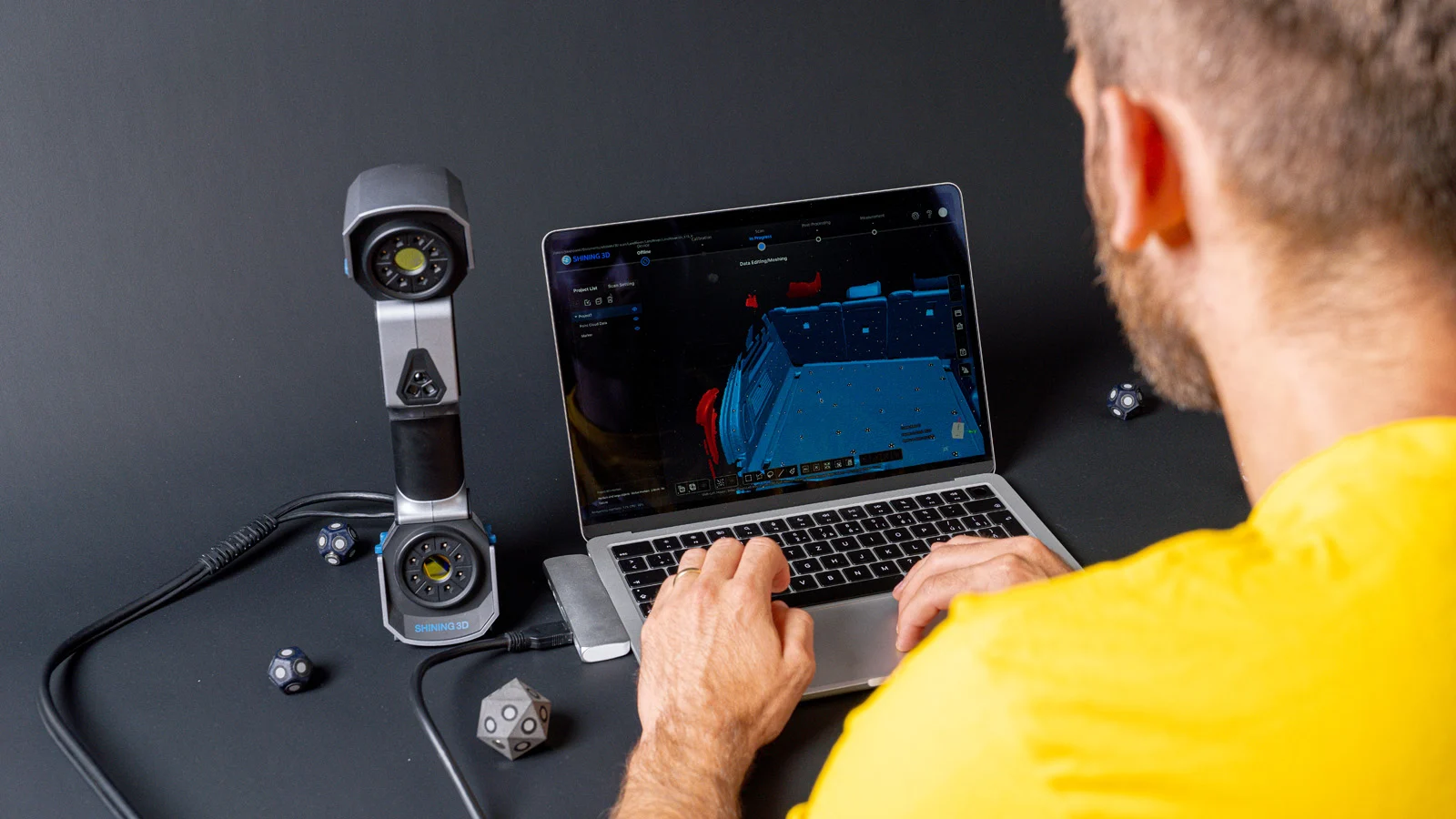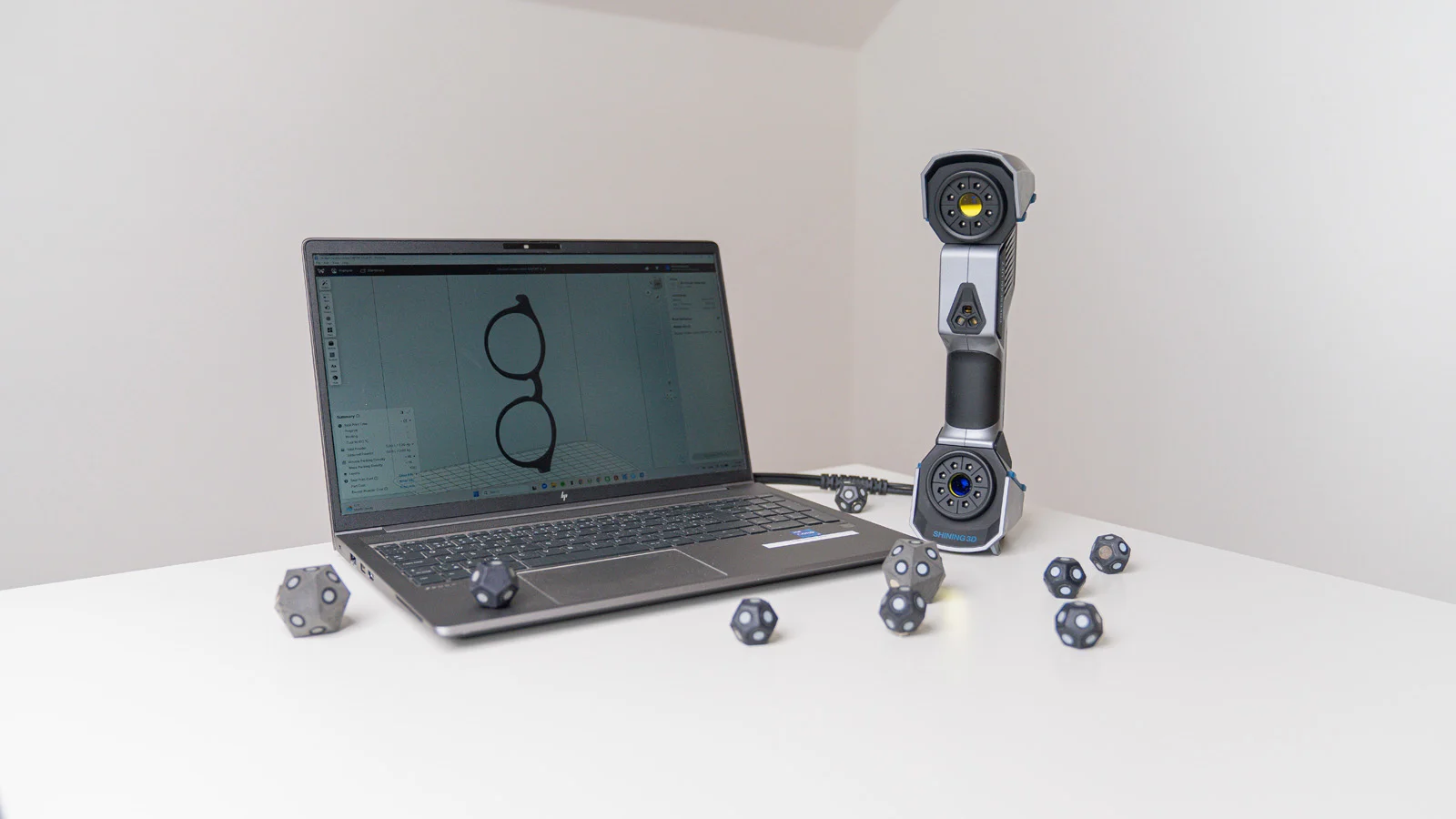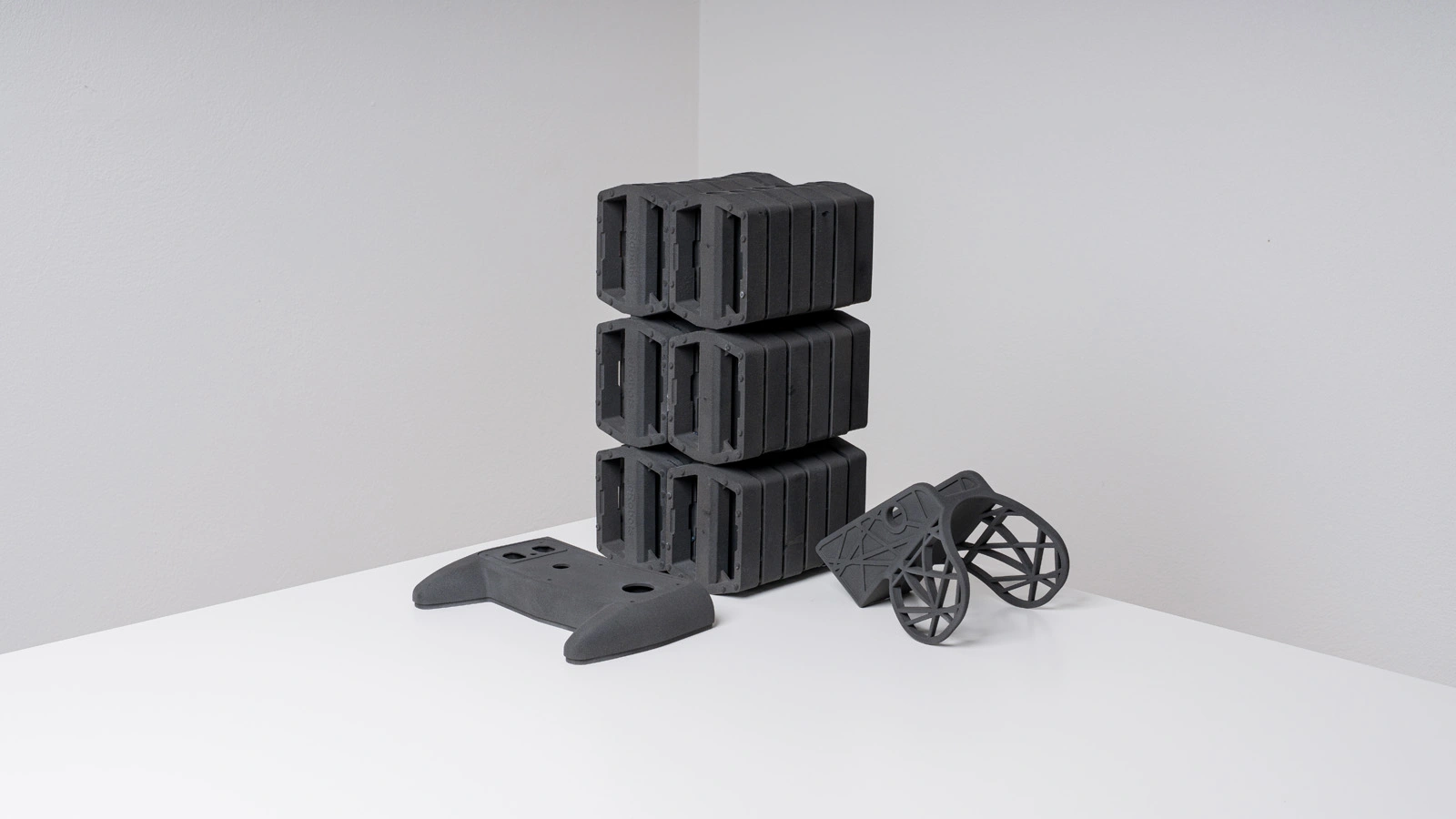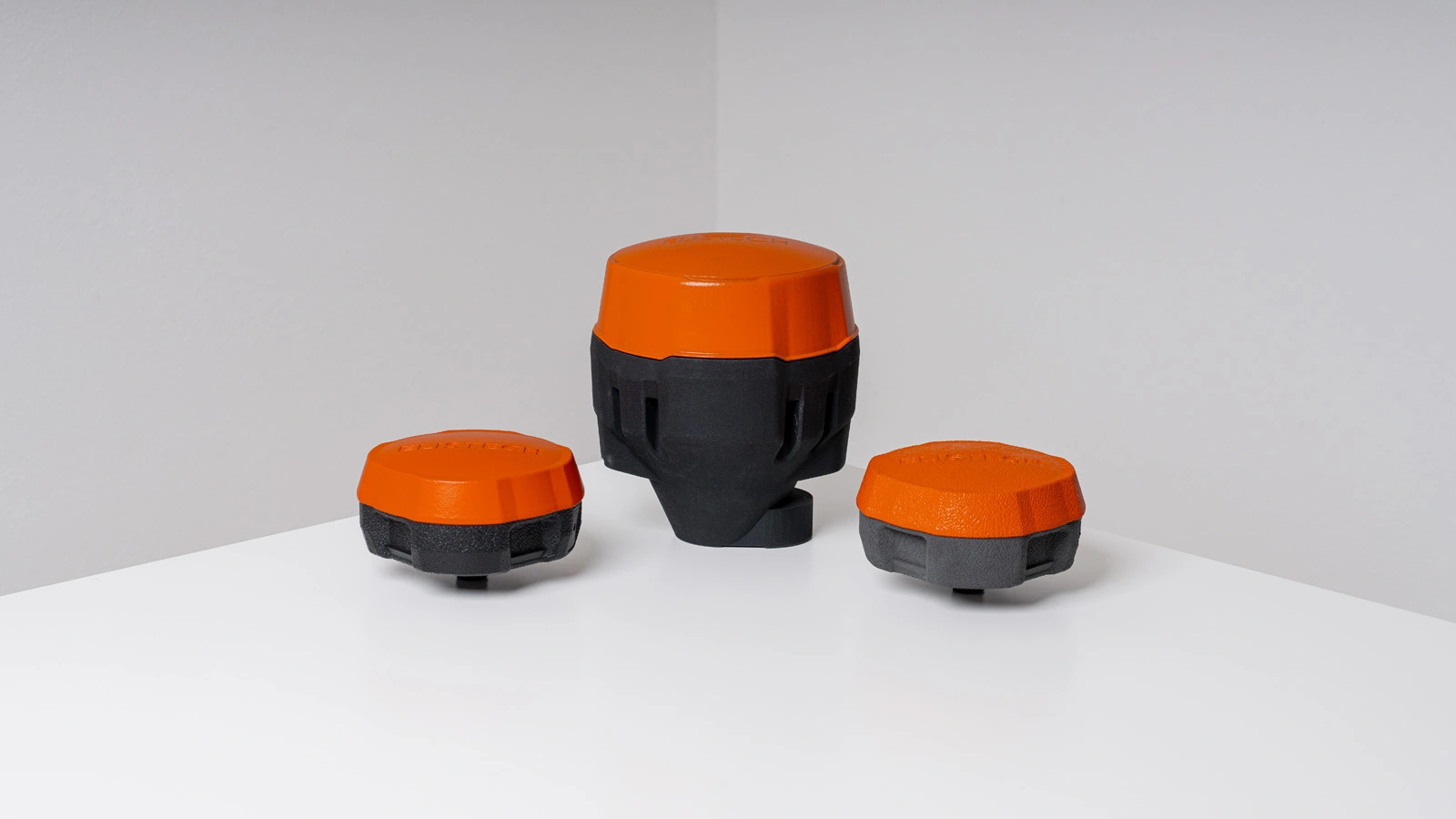
3D scanning and drafting
Do you need a digital model of an existing part, to modify an older component or to prepare documentation for production? Using 3D scanning, reverse engineering and CAD modelling, we can create an accurate 3D model based on a physical part, a drawing or your requirements and then prepare it for production.

Properties and uses
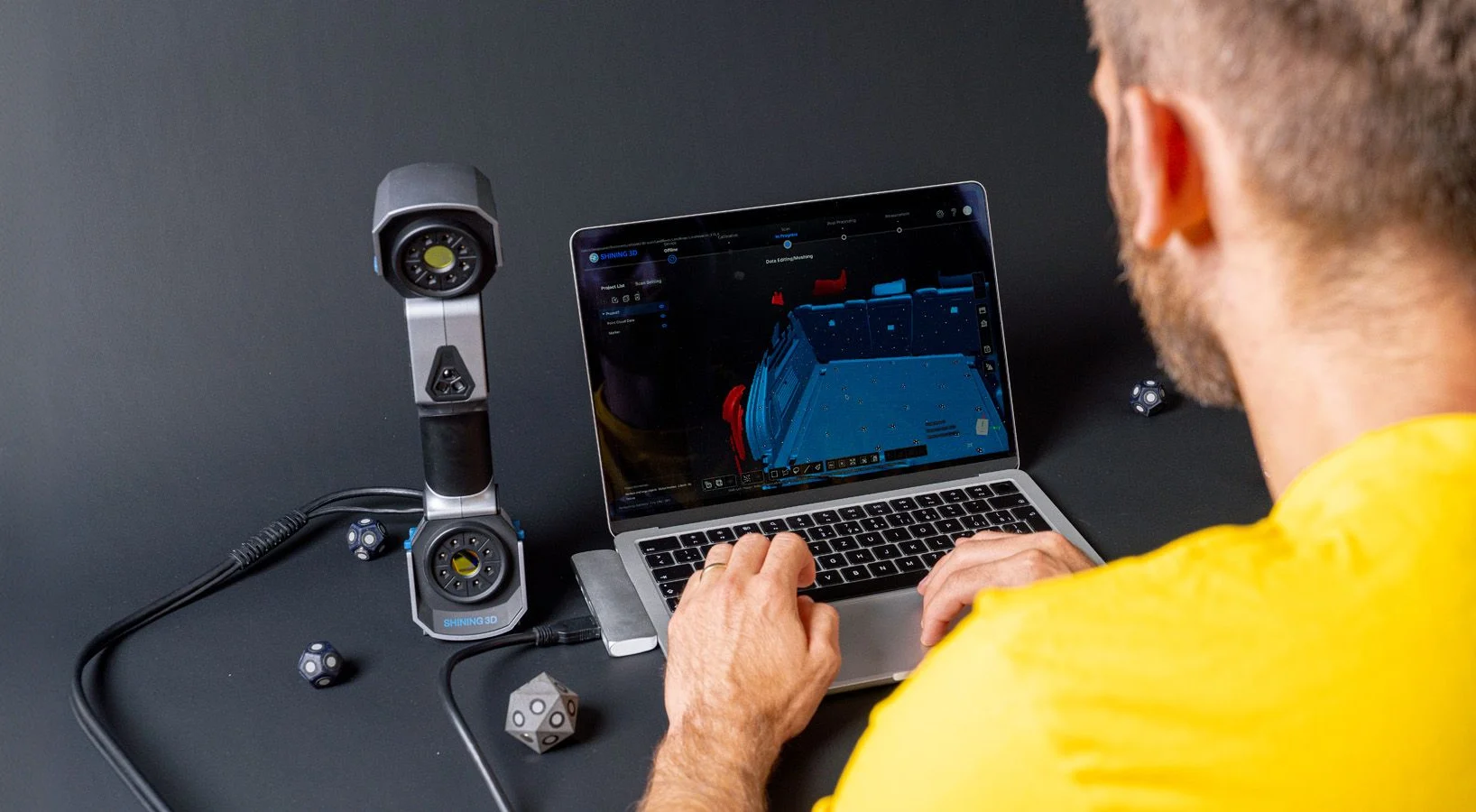
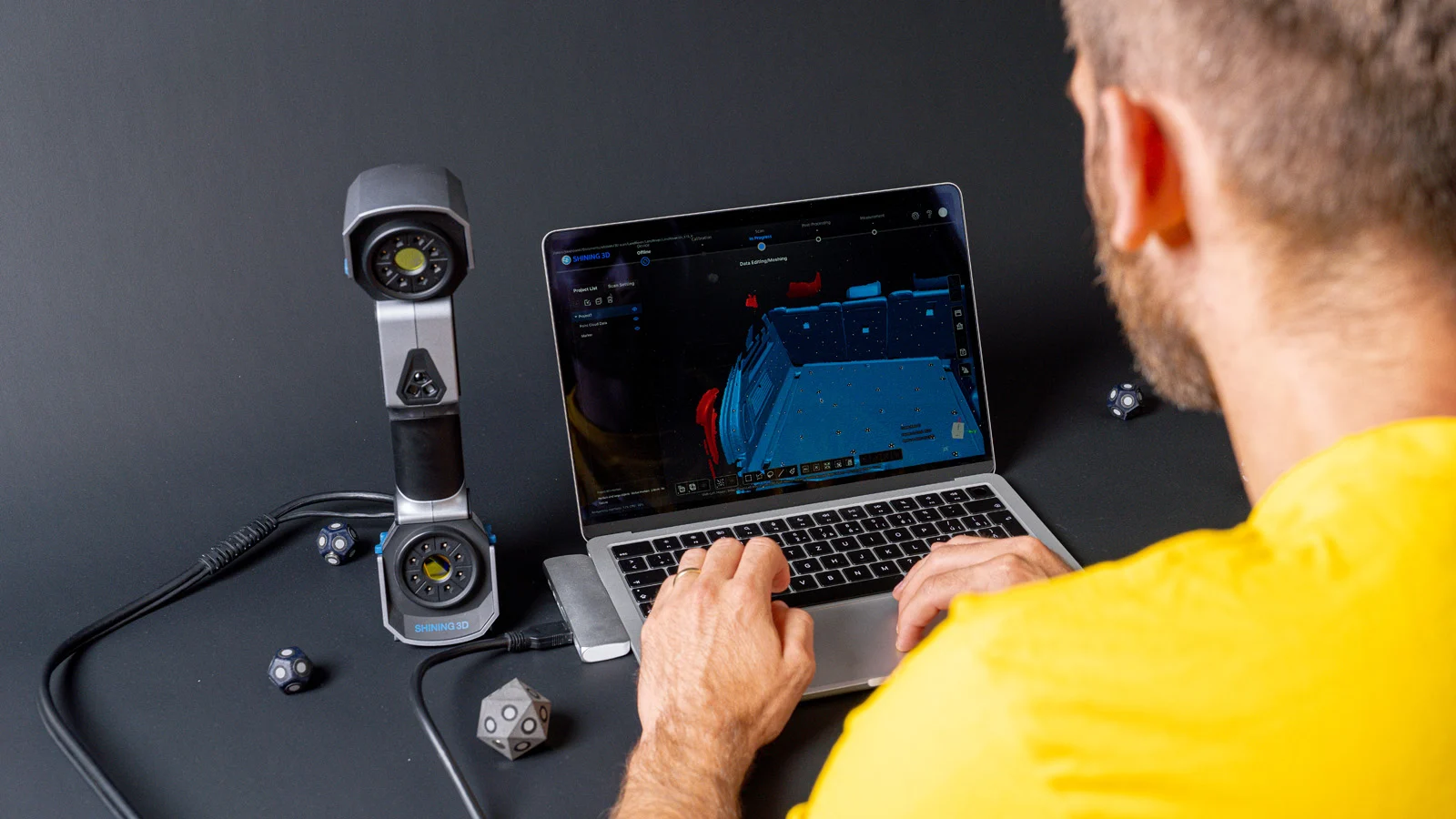
Do you need to digitise an existing part, measure a complex shape or create a model of an object for which no drawings exist? 3D scanning captures the geometry of technical parts, organic shapes and artistic objects so you can continue working with it digitally.
Advantages
-
 Digitisation of hard-to-measure shapes
-
Scanning objects without documentation
-
Capturing organic and freeform shapes
-
Suitable for artworks and sculptures too
-
Quickly obtain the geometry of an existing part
-
Basis for reverse engineering
-
Comparison with a CAD model possible
Specifics
-
 Glossy and transparent surfaces require preparation
-
Hidden surfaces and deep cavities are harder to capture
-
Accuracy depends on the size and geometry of the object
-
A scan produces a polygon mesh, not parametric CAD
-
Model reconstruction may be needed for production
Applications
-
Reverse engineering
-
Spare and historic parts
-
Artworks and sculptures
-
Organic and irregular objects
-
Inspection of manufactured parts
-
Modification of existing products
Gallery